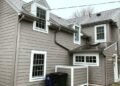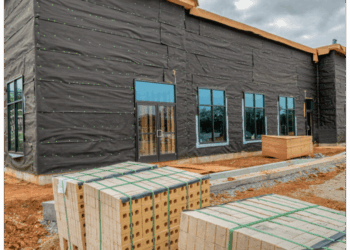

As we delve into the world of siding materials and their relationship with region and climate, a fascinating journey unfolds. From the frosty landscapes of the North to the balmy breezes of the South, the choice of siding material plays a crucial role in withstanding the elements.
Let's explore how different regions and climates shape the selection of siding materials, offering a unique blend of functionality and aesthetics.
Moving forward, let's uncover the intricate nuances of siding material choices and their adaptation to varying environmental conditions.
How Climate Influences Siding Material Choice
When considering siding materials for a building, it is crucial to take into account the specific climate of the region where the structure is located. Climate factors such as temperature, humidity, and precipitation play a significant role in determining the most suitable siding material for the area.Extreme weather conditions like hurricanes, snowstorms, or high winds can put a strain on the exterior of a building.
Therefore, choosing siding materials that can withstand these conditions is essential to ensure the longevity and durability of the structure.
Suitable Siding Materials for Specific Climate Conditions
- Vinyl Siding: Vinyl siding is a popular choice for areas with moderate climates due to its durability and low maintenance requirements.
- Fiber Cement Siding: Fiber cement siding is ideal for regions with high humidity levels as it is resistant to moisture and mold.
- Wood Siding: Wood siding is suitable for areas with mild climates but may require regular maintenance to protect against rot and pests.
- Metal Siding: Metal siding is a good option for regions prone to high winds and hail, providing excellent protection against these elements.
Importance of Choosing Siding Materials for Extreme Weather Conditions
- Impact Resistance: Siding materials that are impact-resistant are crucial in areas prone to hurricanes or hail storms to prevent damage to the building.
- Insulation: Insulated siding materials are essential in regions with extreme temperatures to help maintain a comfortable indoor environment and reduce energy costs.
- Water Resistance: Choosing siding materials that are water-resistant is vital in areas with high precipitation levels to prevent water damage and mold growth.
Regional Variations in Siding Materials
When it comes to siding materials, different regions around the world often have distinct preferences based on their specific climate characteristics. Understanding why certain siding materials are more prevalent in particular regions can provide valuable insights into the advantages and disadvantages of these regional preferences.
North America
In North America, vinyl siding is a popular choice due to its durability and low maintenance requirements. The material is able to withstand harsh winters and hot summers, making it a practical option for regions with extreme temperature variations.
Scandinavia
In Scandinavia, wood siding is commonly used because of its natural aesthetic appeal and insulation properties. Wood is abundant in this region, making it a cost-effective and sustainable choice for homeowners looking to maintain a cozy and traditional look for their homes.
Desert Regions
In desert regions such as the Middle East, stucco siding is prevalent due to its ability to regulate indoor temperatures and provide protection against the intense heat. The material's thermal mass helps to keep homes cool during scorching summers, making it a practical choice for arid climates.
Impact of Temperature Fluctuations on Siding Durability
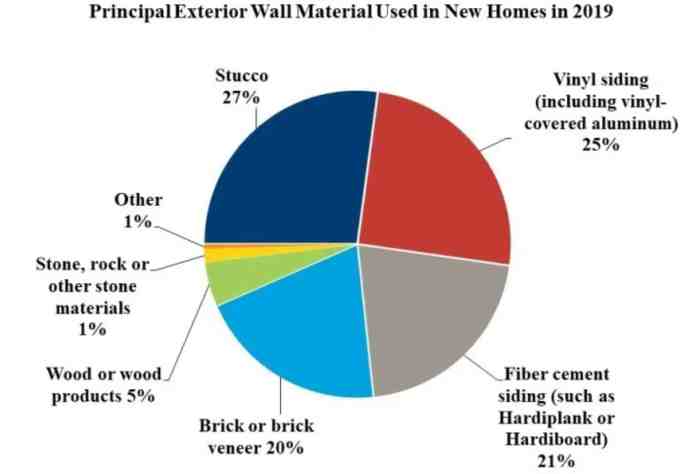
Temperature variations in different regions can significantly impact the durability and lifespan of siding materials. The expansion and contraction properties of various siding materials in response to temperature changes play a crucial role in determining how well they can withstand these fluctuations.
Effect on Siding Materials
- Vinyl siding: Vinyl siding is known for its ability to expand and contract with temperature changes, making it a durable option in regions with extreme weather conditions. However, prolonged exposure to high temperatures can cause vinyl siding to warp.
- Fiber cement siding: Fiber cement siding is resistant to temperature fluctuations and does not warp or crack easily. This makes it a suitable choice for regions with varying climates.
- Wood siding: Wood siding is prone to expansion and contraction with temperature changes, which can lead to warping and cracking over time. Proper maintenance, such as sealing and painting, can help prolong the lifespan of wood siding in regions with temperature fluctuations.
Recommendations for Choosing Siding Materials
- Consider the climate of your region: Choose siding materials that are specifically designed to withstand the temperature fluctuations in your area.
- Consult with a professional: Seek advice from a siding expert to determine the best material for your specific climate and temperature conditions.
- Invest in quality materials: Opt for high-quality siding materials that are known for their durability and resistance to temperature changes, even if they come at a higher cost initially.
Sustainability Considerations in Siding Material Selection
When it comes to selecting siding materials, sustainability is a key factor that influences the decision-making process. Homeowners and builders are increasingly looking for eco-friendly options that minimize environmental impact while also providing durability and aesthetic appeal.One of the main considerations in sustainability is the environmental impact of the siding materials and their production processes.
Some materials, such as vinyl siding, may have a higher carbon footprint due to the manufacturing process and the fact that they are not biodegradable. On the other hand, materials like wood siding sourced from sustainably managed forests or fiber cement siding made from recycled materials are more environmentally friendly options.
Eco-Friendly Siding Options
- Bamboo siding: Bamboo is a rapidly renewable resource that is durable and resistant to pests and rot. It is a great eco-friendly option for siding, especially in regions with a suitable climate for bamboo growth.
- Recycled composite siding: Made from recycled plastic and wood fibers, this siding option reduces waste and helps conserve natural resources.
- Cork siding: Cork is a sustainable material that offers natural insulation properties and is resistant to mold and pests. It is a unique and environmentally friendly choice for siding.
Last Point
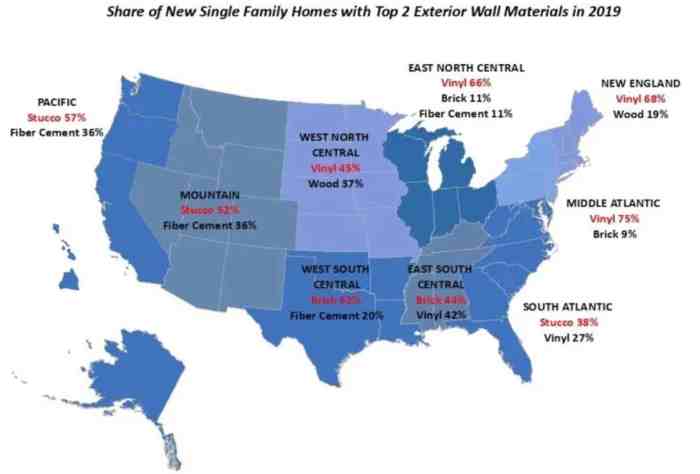
In conclusion, the dynamic interplay between region, climate, and siding materials paints a vivid picture of resilience and adaptability. By understanding these factors, homeowners can make informed decisions when selecting siding materials that not only enhance the visual appeal but also endure the test of time.
Popular Questions
What siding materials are best suited for humid climates?
In humid climates, vinyl siding is a popular choice due to its resistance to moisture and minimal maintenance requirements.
How do extreme weather conditions impact siding materials?
Extreme weather conditions like hurricanes or snowstorms can damage siding materials that are not designed to withstand such forces. It's important to choose materials that offer adequate protection in these scenarios.
Are there eco-friendly siding options available for regions with varying climates?
Yes, eco-friendly siding options like fiber cement or engineered wood are suitable for different climates and offer sustainable choices for homeowners.