
As we delve into the comparison of Asphalt vs Metal Roofs for Long-Term Durability, readers are invited into a realm of well-researched insights, promising a compelling and distinctive reading experience.
The subsequent paragraph will offer detailed and informative content on the topic.
Benefits of Asphalt Roofs
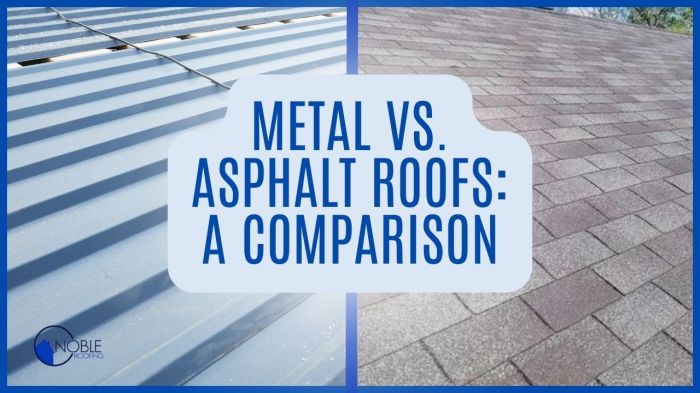
Asphalt roofs offer several benefits that make them a popular choice for homeowners. One of the key advantages is their durability, which ensures they can withstand various weather conditions and last for a long time without needing frequent replacements.
Durability of Asphalt Roofs
Asphalt roofs are known for their resilience against harsh elements such as rain, wind, snow, and UV rays. The materials used in asphalt shingles are designed to provide protection and longevity, making them a reliable option for long-term use.
Maintenance Required for Asphalt Roofs
While asphalt roofs are durable, they do require some maintenance to ensure they remain in good condition. Regular inspections, cleaning of debris, and minor repairs are essential to prolong the lifespan of an asphalt roof. By investing in proper upkeep, homeowners can extend the longevity of their roof and avoid costly replacements.
Cost-Effectiveness of Asphalt Roofs for Long-Term Use
In terms of cost-effectiveness, asphalt roofs are a budget-friendly option for homeowners looking for a durable and reliable roofing solution. The initial installation cost of asphalt shingles is lower compared to metal roofs, making them an attractive choice for those on a tight budget.
Additionally, the long lifespan of asphalt roofs means that homeowners can enjoy their investment for many years without worrying about frequent repairs or replacements.
Advantages of Metal Roofs
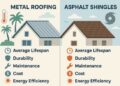
Metal roofs are known for their exceptional longevity compared to other roofing materials. While asphalt roofs typically last between 15 to 30 years, metal roofs can last 50 years or more with proper maintenance. This longevity makes metal roofs a cost-effective and durable option for homeowners looking for a long-term roofing solution.
Longevity of Metal Roofs
- Metal roofs have a lifespan of 50 years or more, outlasting asphalt roofs.
- With proper maintenance, metal roofs can even last up to 70 years, reducing the need for frequent replacements.
- This extended lifespan translates to long-term savings for homeowners, as they won't have to invest in a new roof as often as they would with other materials.
Energy Efficiency of Metal Roofs
- Metal roofs are highly reflective, meaning they can reflect solar heat away from the home, reducing the amount of heat absorbed and helping to keep the interior cool.
- This reflective property can lead to lower energy bills, as homeowners may rely less on air conditioning to maintain a comfortable temperature indoors.
- Additionally, some metal roofs are ENERGY STAR certified, indicating they meet strict energy efficiency guidelines set by the EPA.
Environmental Impact of Metal Roofs
- Metal roofs are considered a more environmentally friendly option compared to asphalt roofs.
- Unlike asphalt shingles, which contribute to landfill waste when replaced, metal roofs are recyclable at the end of their lifespan.
- Furthermore, metal roofs are often made from recycled materials, reducing the demand for new resources and lowering the overall environmental impact of the roof's production.
Durability Factors to Consider
When comparing the long-term durability of asphalt and metal roofs, several key factors come into play. Weather resistance, impact of temperature changes, and the influence of different climates all play a significant role in determining how well each type of roof will hold up over time.
Weather Resistance
- Asphalt roofs are known for their excellent weather resistance, able to withstand heavy rain, snow, and hail.
- Metal roofs also offer strong weather resistance, particularly against high winds and harsh weather conditions.
- Both types of roofs can provide reliable protection against the elements, but the specific performance may vary depending on the severity of the weather in the region.
Impact of Temperature Changes
- Asphalt roofs can expand and contract with temperature changes, which may lead to cracks and damage over time.
- Metal roofs are more resistant to temperature fluctuations and are less likely to experience issues related to expansion and contraction.
- In areas with extreme temperature variations, metal roofs may offer better long-term durability compared to asphalt roofs.
Effect of Different Climates
- Asphalt roofs may perform well in moderate climates, but they can deteriorate faster in areas with high humidity or frequent temperature extremes.
- Metal roofs are versatile and can adapt to various climates, making them a durable option for a wide range of environments.
- In regions prone to severe weather conditions, such as hurricanes or heavy snowfall, metal roofs may offer superior durability and longevity compared to asphalt roofs.
Maintenance Requirements
When it comes to maintaining your roofing system, both asphalt and metal roofs require some level of upkeep to ensure long-term durability. Let's dive into the specific maintenance tasks needed for each type of roof and compare the frequency and costs associated with their maintenance.
Maintenance for Asphalt Roofs
- Regular Inspections: It is important to inspect asphalt roofs at least once or twice a year to check for any signs of damage or wear.
- Cleaning Gutters: Keeping the gutters clean and free of debris is essential to prevent water damage and maintain the integrity of the roof.
- Replacing Shingles: Over time, asphalt shingles may need to be replaced due to wear and tear or damage from severe weather conditions.
Maintenance for Metal Roofs
- Regular Inspections: Metal roofs should also be inspected periodically to identify any areas that may need attention, such as loose fasteners or rust spots.
- Cleaning: Metal roofs may require occasional cleaning to remove dirt, debris, or algae growth that can impact the roof's performance.
- Coating or Painting: Some metal roofs may benefit from a fresh coat of paint or protective coating to enhance longevity and aesthetics.
Comparison of Maintenance Frequency and Costs
- Frequency: Asphalt roofs generally require more frequent maintenance compared to metal roofs due to the nature of their materials and construction.
- Costs: In terms of maintenance costs, metal roofs tend to be more expensive upfront but may require less frequent maintenance over time, potentially balancing out the overall costs in the long run.
Conclusive Thoughts
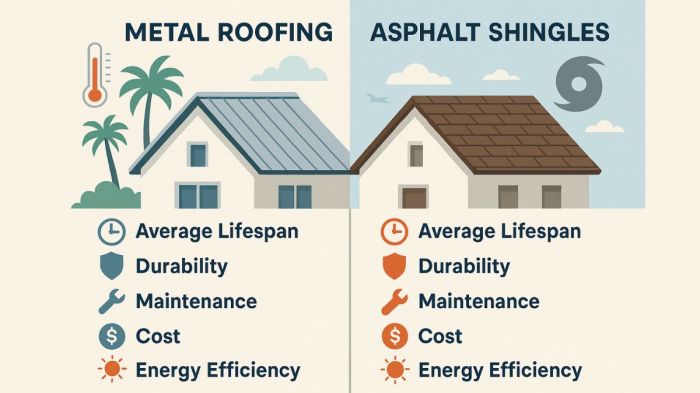
Concluding this discussion on Comparing Asphalt vs Metal Roofs for Long-Term Durability, we encapsulate the key points in a manner that leaves a lasting impact on the audience.
Question & Answer Hub
What are the main factors to consider when comparing Asphalt and Metal Roofs for Long-Term Durability?
The main factors include durability, maintenance requirements, cost-effectiveness, and environmental impact.
Which type of roof is more energy-efficient, Asphalt, or Metal?
Metal roofs are generally more energy-efficient compared to Asphalt roofs.
How do temperature changes affect Asphalt and Metal Roofs differently?
Temperature changes can impact Asphalt roofs by causing expansion and contraction, while Metal roofs are more resistant to these effects.