
Exploring the world of hidden costs when it comes to replacing siding opens up a realm of possibilities. From unexpected expenses to the impact of different materials, this topic delves into the intricacies of siding replacement projects. Let's unravel the mysteries together.
As we navigate through the details, you'll gain insights into the factors that can sway project costs and how to mitigate them effectively.
Hidden Costs of Replacing Siding
Replacing siding may seem like a straightforward project, but there are hidden costs that homeowners should watch out for. These unexpected expenses can quickly add up and impact the overall budget of the project.
Unforeseen Issues like Rot or Mold
When old siding is removed, contractors may discover underlying issues such as rot or mold. Addressing these problems can significantly increase the project costs. Mold remediation, rot repair, or even structural repairs may be necessary, driving up the overall expenses.
Factors Leading to Cost Overruns
Several factors can contribute to cost overruns during siding replacement. Delays in the project timeline, changes in design or material choices, or unexpected complications can all lead to additional expenses. It's essential to budget for these potential extras to avoid financial surprises during the renovation process.
Material Costs
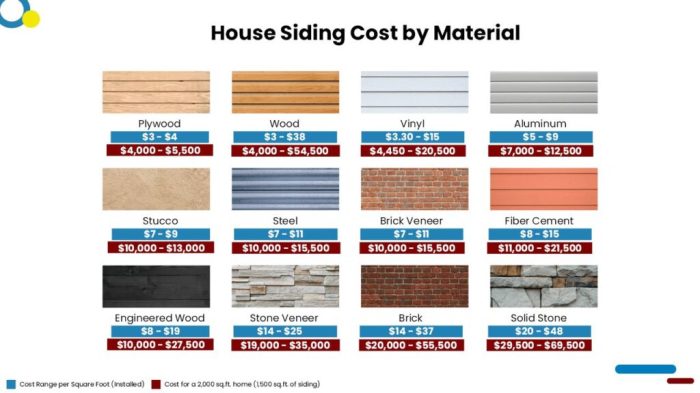
When it comes to replacing siding, the choice of material plays a significant role in determining the overall costs. Different siding materials such as vinyl, wood, fiber cement, and stucco vary in prices, quality, maintenance requirements, and longevity. Understanding these factors can help homeowners make informed decisions and avoid unexpected expenses in the future.
Vinyl Siding
Vinyl siding is one of the most affordable options available in the market. It is relatively low-cost to purchase and install compared to other materials. However, while vinyl siding is cost-effective upfront, it may require more frequent replacement due to its lower durability and susceptibility to damage from extreme weather conditions.
Wood Siding
Wood siding offers a natural and timeless look but comes at a higher price point than vinyl. The initial cost of wood siding may be higher, but it can add significant value to a home and provide better insulation. However, wood siding requires regular maintenance, such as staining or painting, to prevent rot and decay, which can increase long-term expenses.
Fiber Cement Siding
Fiber cement siding is a durable and low-maintenance option that falls in between vinyl and wood in terms of cost. While the initial investment for fiber cement siding may be higher, it offers excellent longevity and requires minimal upkeep. This can result in cost savings over time by reducing the need for frequent repairs or replacements.
Stucco Siding
Stucco siding is known for its durability and unique aesthetic appeal. It is a high-end siding material that typically comes with a higher price tag than other options. Stucco siding can last for decades with minimal maintenance, making it a worthwhile investment for homeowners looking for a long-lasting and elegant finish.
However, the initial cost of stucco siding can be prohibitive for some budgets.
Labor Costs
When replacing siding, labor costs play a significant role in the overall expenses. Hiring experienced professionals for the installation is crucial to ensure the job is done correctly and efficiently.
Importance of Hiring Experienced Professionals
- Experienced professionals have the necessary skills and knowledge to handle the installation process effectively.
- They can identify potential issues and address them promptly, preventing costly mistakes.
- Quality workmanship from skilled professionals can enhance the durability and longevity of the new siding.
Variation in Labor Costs
- Labor costs can vary based on the size of the project, type of siding material, and geographic location.
- Complex projects, such as those involving intricate designs or hard-to-reach areas, may require more labor and thus incur higher costs.
- Additional services like removing old siding, repairing underlying structures, or adding insulation can also impact labor expenses.
Negotiating Labor Costs and Finding Reputable Contractors
- Get multiple quotes from different contractors to compare labor costs and services offered.
- Ask for references and check online reviews to ensure the contractor has a good reputation for quality work.
- Be clear about your expectations and budget upfront to avoid any surprises in labor costs later on.
- Consider signing a detailed contract that Artikels the scope of work, timeline, and payment schedule to protect both parties.
Permit and Inspection Fees
When replacing siding, it is crucial to consider the permit and inspection fees that may be required for the project. Failure to obtain the necessary permits can result in legal issues and additional costs down the line. Additionally, inspections play a vital role in ensuring the quality and safety of the siding replacement work.
Typical Permit and Inspection Requirements
- Permits: Before starting the siding replacement project, homeowners may need to obtain permits from the local building authority. These permits ensure that the work meets building codes and regulations.
- Inspections: Inspections are typically carried out at various stages of the project to verify that the work is being done correctly and up to code. Inspectors check for structural integrity, proper installation techniques, and adherence to safety standards.
Legal Consequences of Failing to Obtain Permits
Failing to obtain the required permits for siding replacement can lead to fines, penalties, and even the need to undo completed work. It is essential to follow the proper procedures to avoid legal issues.
Role of Inspections in Quality Assurance
- Quality Control: Inspections help ensure that the siding replacement project is done correctly and meets industry standards for quality and safety.
- Safety Compliance: Inspectors check that the installation is safe for occupants and complies with local building codes to prevent hazards.
Concluding Remarks
In conclusion, being aware of the hidden costs associated with replacing siding can save you from financial surprises down the road. By understanding the nuances of material, labor, and permit costs, you can embark on your siding replacement journey with confidence and preparedness.
Query Resolution
What are some common unexpected expenses during siding replacement?
Unexpected expenses can include repairing hidden damage like rot or mold, which may not be visible until the old siding is removed.
How does the quality of siding material impact overall costs?
High-quality materials may have a higher upfront cost but can save money in the long run due to lower maintenance and longer lifespan.
Why is it important to hire experienced professionals for siding installation?
Experienced professionals ensure the job is done correctly, reducing the risk of costly mistakes or rework.
What legal issues can arise from not obtaining necessary permits for siding replacement?
Failing to obtain permits can lead to fines, stop-work orders, and potential legal complications that can significantly increase project costs.
How can homeowners negotiate labor costs with contractors?
Homeowners can negotiate labor costs by obtaining multiple quotes, comparing prices, and discussing the scope of work in detail with contractors.