
Exploring the profound effects of insulated siding on global energy bills, this article delves into the key aspects that drive energy efficiency and cost savings. From innovative materials to practical benefits, this discussion uncovers the transformative power of insulated siding in today's world.
Introduction to Insulated Siding
Insulated siding is a type of exterior cladding designed to improve energy efficiency in buildings. It consists of panels with built-in insulation to help regulate indoor temperature and reduce energy consumption.
How Insulated Siding Works
- Insulated siding acts as a thermal barrier, preventing heat transfer between the interior and exterior of a structure.
- By reducing thermal bridging, insulated siding helps maintain a consistent indoor temperature, decreasing the workload on heating and cooling systems.
- Improved insulation also enhances the overall comfort of a building by minimizing drafts and temperature fluctuations.
Common Materials Used in Insulated Siding
- Vinyl: Lightweight, durable, and low-maintenance, vinyl is a popular choice for insulated siding.
- Fiber Cement: Known for its strength and resistance to moisture, fiber cement siding offers excellent insulation properties.
- Foam-backed Vinyl: This type of insulated siding features a layer of foam insulation attached to the back of vinyl panels, providing enhanced thermal performance.
Benefits of Insulated Siding
Insulated siding offers a range of benefits that can significantly impact energy bills and overall comfort in a home. One of the key advantages of insulated siding is its ability to reduce energy consumption by improving the thermal efficiency of a building envelope.
Reduction in Energy Consumption
Insulated siding acts as an extra layer of insulation for the home, helping to prevent heat loss during the winter and heat gain during the summer. This means that the HVAC system has to work less to maintain a comfortable indoor temperature, leading to lower energy usage overall.
By reducing the demand for heating and cooling, insulated siding can have a direct impact on energy bills.
- Insulated siding helps maintain a consistent indoor temperature, reducing the need for frequent adjustments to the thermostat.
- By minimizing heat transfer through the walls, insulated siding can lead to significant energy savings over time.
- Improved insulation provided by insulated siding can also enhance the overall comfort of living spaces, creating a more pleasant environment for occupants.
Reduction in Heating and Cooling Costs
The installation of insulated siding can result in noticeable reductions in heating and cooling costs for homeowners. By improving the thermal performance of the building envelope, insulated siding helps to keep conditioned air inside the home, reducing the workload on heating and cooling systems.
- Studies have shown that insulated siding can lead to savings of up to 20% on heating and cooling costs.
- Reduced energy consumption for heating and cooling can translate to lower utility bills month after month.
- Insulated siding can help homeowners achieve a more energy-efficient home, contributing to long-term cost savings and environmental benefits.
Comparison of Energy Savings
Before and after installing insulated siding, homeowners can track their energy usage to see the impact of this improvement on their bills. Comparing energy consumption patterns before and after the installation can provide clear evidence of the benefits of insulated siding.
- Homeowners may notice a decrease in energy usage and costs after installing insulated siding, especially during extreme weather conditions.
- Monitoring energy bills over time can help quantify the savings achieved through the installation of insulated siding.
- Comparing energy savings before and after insulated siding installation can demonstrate the return on investment and the long-term financial benefits of this upgrade.
Global Energy Consumption Trends
Global energy consumption patterns are heavily influenced by the need for heating and cooling in various regions around the world. As populations grow and economies develop, the demand for energy continues to rise. This has led to increased energy consumption for residential, commercial, and industrial purposes, particularly in regions with extreme temperatures.Insulated siding can play a crucial role in reducing global energy consumption by providing better insulation for buildings
By minimizing heat loss in the winter and heat gain in the summer, insulated siding helps to maintain a comfortable indoor temperature without over-relying on heating and cooling systems. This not only reduces energy bills for individual households but also contributes to a significant decrease in overall energy usage on a global scale.
Regions with High Energy Usage for Heating and Cooling
In regions with harsh winters or scorching summers, the demand for heating and cooling is particularly high. Countries in North America, Europe, and parts of Asia experience extreme temperature variations throughout the year, leading to heavy reliance on heating and cooling systems.
This high energy usage for maintaining indoor comfort levels contributes significantly to global energy consumption.
- North America: The United States and Canada are among the top energy consumers for heating and cooling due to their vast territories and varying climate conditions.
- Europe: Countries in Northern Europe, such as Norway, Sweden, and Finland, have high energy consumption for heating during long winters, while Southern European countries like Spain and Italy rely heavily on cooling systems in the hot summer months.
- Asia: Countries like China and Japan experience both extreme cold and heat, leading to substantial energy usage for heating and cooling purposes.
How Insulated Siding Can Help Reduce Energy Consumption
Insulated siding acts as a protective barrier for buildings, preventing heat transfer through walls and reducing the need for constant heating or cooling. By improving the thermal efficiency of homes and commercial buildings, insulated siding helps to lower energy consumption for maintaining indoor temperature levels.
This not only benefits individual property owners by reducing energy bills but also contributes to a more sustainable and energy-efficient global environment.
Environmental Impact of Insulated Siding
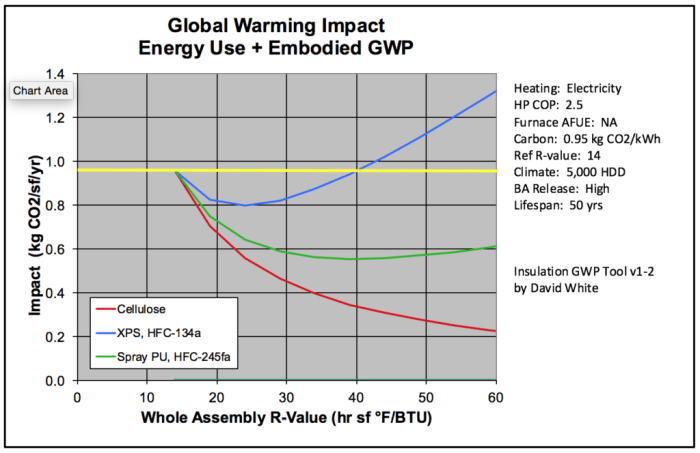
Insulated siding plays a crucial role in reducing carbon emissions and promoting sustainability efforts. By providing enhanced insulation to buildings, insulated siding helps in lowering energy consumption for heating and cooling, thereby reducing the overall carbon footprint.
Reducing Carbon Emissions
Insulated siding acts as a barrier, preventing heat transfer between the interior and exterior of a building. This results in reduced reliance on heating and cooling systems powered by fossil fuels, which are major contributors to carbon emissions. By decreasing energy consumption, insulated siding helps in cutting down carbon emissions, thus mitigating the impact of buildings on the environment.
Contribution to Sustainability Efforts
The increased energy efficiency brought about by insulated siding aligns with sustainability goals by promoting resource conservation and reducing waste. By maintaining indoor temperatures more effectively, buildings with insulated siding require less energy to stay comfortable, leading to a more sustainable use of resources and a lower environmental impact.
Combatting Climate Change
As climate change continues to be a pressing global issue, the adoption of insulated siding can contribute to the fight against this phenomenon. By reducing the energy demand of buildings, insulated siding helps in lowering greenhouse gas emissions, which are a key driver of climate change.
This makes insulated siding a valuable tool in the efforts to combat the adverse effects of climate change on a global scale.
Final Review
In conclusion, the impact of insulated siding on global energy bills cannot be understated. As we navigate the challenges of energy consumption and environmental sustainability, the role of insulated siding emerges as a crucial solution. By embracing this technology, we pave the way for a more energy-efficient and eco-friendly future.
Commonly Asked Questions
How does insulated siding work to improve energy efficiency?
Insulated siding acts as a barrier, reducing heat transfer through walls and helping maintain a consistent indoor temperature, thus lowering energy consumption.
What are some common materials used in insulated siding?
Materials like vinyl, fiber cement, and engineered wood are commonly used in insulated siding for their durability and insulating properties.
How can insulated siding help combat climate change?
Insulated siding contributes to sustainability efforts by reducing energy usage, which in turn helps lower carbon emissions and mitigate the impact of climate change.